About
I stayed in Ukraine and built a life in finance. What first drew me in was not theory, but instability. The collapse of the Soviet Union was not an abstract historical event. It changed everyday life and changed how people thought about value, savings, and security.
That experience stayed with me. Over time, it became a deeper interest in monetary systems, banking, inflation, and the strange moments when money stops functioning the way a society expects it to.
I became especially interested in the history of hyperinflation—not only as an economic breakdown, but as a human one. When prices move faster than memory, people stop trusting the future in the same way. Decisions become shorter term. Planning narrows. Confidence becomes fragile.
That is what keeps this subject alive for me. Money looks technical from a distance. Up close, it is psychological, political, and deeply personal.
Hyperinflation
Hyperinflation has always fascinated me because it reveals what money really is. Most of the time, people barely think about currency. They use it, store it, and trust it without much reflection.
But when that trust breaks, everything becomes visible at once. Prices, wages, contracts, savings, even memory itself begin to behave differently. Money stops feeling neutral. It becomes unstable, emotional, and political.
I’m interested in these periods not because they are dramatic, but because they expose the structure underneath ordinary economic life. They show what a currency depends on, and what happens when those supports begin to fail.
Collection
I collect banknotes from periods of inflation and monetary upheaval. What interests me is not rarity alone, but context. A banknote can be a small piece of design, history, and economic psychology all at once.
These notes are reminders that inflation is never just about numbers. It leaves marks on language, prices, savings, and everyday habits. A currency note can hold all of that in a single object.
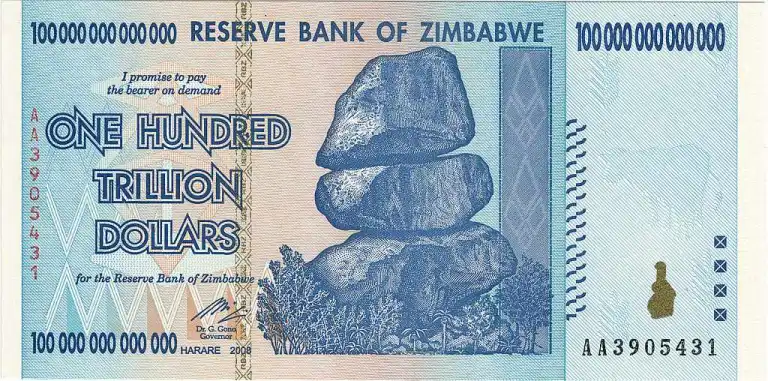
Zimbabwe
Few modern examples illustrate hyperinflation as starkly as Zimbabwe. The denominations themselves became part of the story.
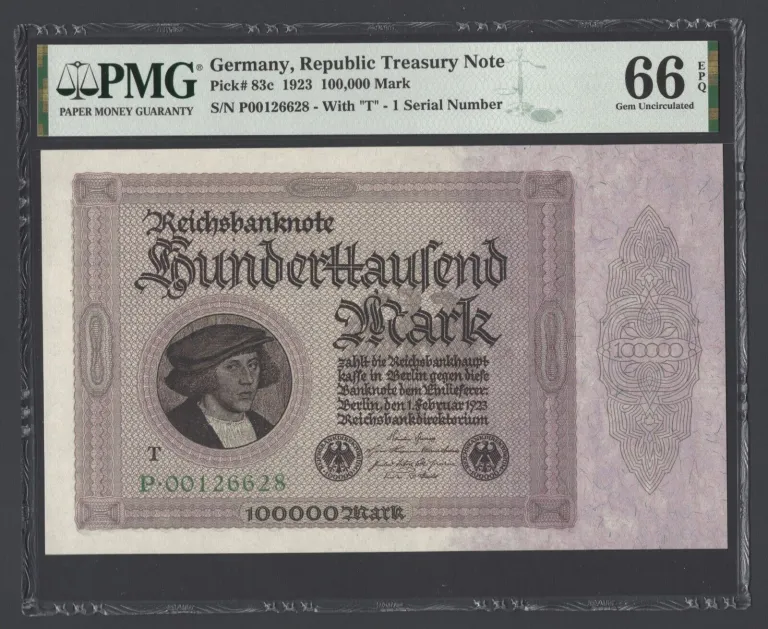
Germany
The Weimar period remains one of the defining historical examples of what happens when monetary confidence collapses.
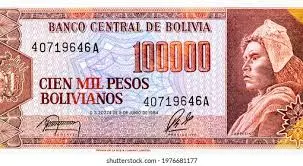
Bolivia
Bolivia’s inflation story is less widely remembered, but it offers a powerful example of how quickly price stability can unravel.
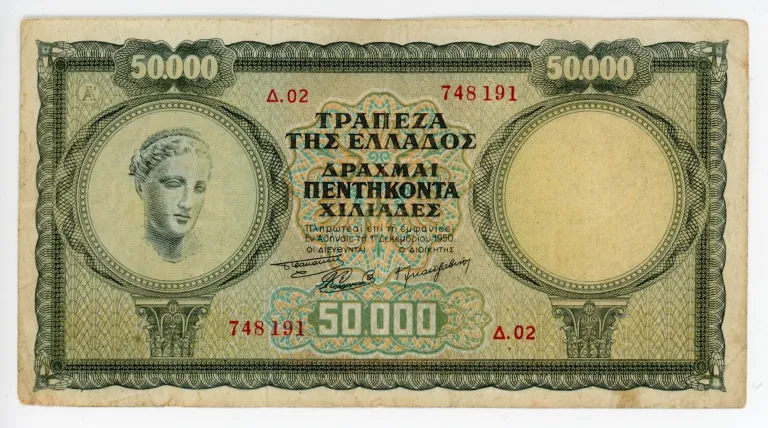
Greece
Greek wartime inflation produced notes that now feel almost surreal, but at the time they reflected a daily economic emergency.
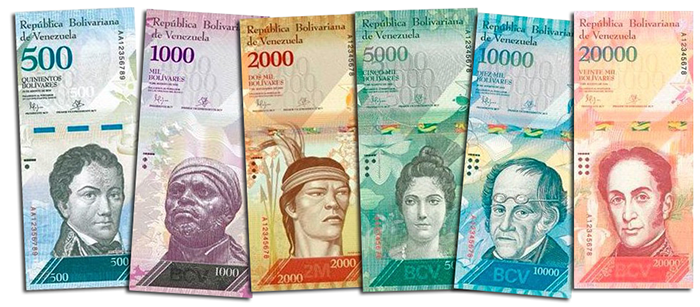
Venezuela
Venezuela brought inflation back into contemporary conversation and showed that monetary breakdown is not just a historical subject.